

In 2025, engineering continues to rank among the most in-demand and highest-paying professions worldwide, offering opportunities that span industries from technology and energy to construction and aerospace. Yet, salary expectations can vary drastically depending on your location, specialization, and years of experience. Whether you’re a fresh graduate exploring your first role or an experienced professional considering an international move, knowing the current salary range for engineers is essential for informed career decisions. In this guide, we’ll break down engineering salaries by country, field, and experience level, backed by the latest data, to help you pinpoint where your skills can earn the most and where the demand is set to grow.
Countries with highest demand for engineers
Several countries show high demand for engineers, including Germany, Canada, the United States, Australia, and the UK. These countries offer strong career prospects, competitive salaries, and good quality of life for engineers. Additionally, Switzerland, Japan, and Singapore are also frequently cited as desirable locations for engineering careers.
Engineering Careers in Germany, Canada, and the United States
Germany is renowned for its strong manufacturing and engineering industry. It offers excellent opportunities, particularly in industrial engineering, civil engineering, construction engineering, and mechanical engineering. Canada’s robust infrastructure and abundant natural resources create high demand for engineers across various sectors, including structural engineering, renewable energy engineering, and transportation engineering. The United States boasts a wide array of engineering jobs, especially in sectors like aerospace, manufacturing, technology, and construction engineering, with competitive engineering salaries by country and strong engineering compensation trends.
Engineering Opportunities in Australia, the UK, and Switzerland
Engineering Careers in Australia – High Demand & Strong Salaries
Australia’s growing economy, particularly in mining engineering, civil engineering, and urban infrastructure development, fuels strong demand for engineers.
Engineering Opportunities in the United Kingdom – Innovation & Green Building
The UK offers diverse opportunities for engineers, with a focus on innovation, green building engineering, and technological advancements.
Engineering Jobs in Switzerland – Precision & High Pay
Switzerland is known for its precision engineering, high-quality manufacturing, and advanced construction projects, offering some of the highest paying engineering jobs and competitive median salaries.
Japan’s Engineering Industry – Robotics & Advanced Manufacturing
Japan’s strong focus on technological advancements, robotics engineering, and advanced manufacturing creates consistent demand for skilled engineers.
Engineering Careers in Singapore – Tech & Urban Planning Growth
Singapore’s thriving economy and focus on technology, urban planning engineering, and innovation drive demand across multiple disciplines.
Engineering Salaries in China – Large-Scale Opportunities
China’s massive economy and fast-growing tech and construction sectors create high demand for engineers, offering competitive salary levels by field.
Engineering Careers in India – Growing Market & Rising Salaries
India produces a high number of engineering graduates and has growing demand in infrastructure, renewable energy, and software engineering, with entry-level salaries steadily increasing.
Global Salary Insights – Top Paying Countries & Fields
Nations such as Switzerland, the United States, and Australia remain leaders in engineering pay. Mechanical, petroleum, and construction engineering rank among the highest earners worldwide.
Highest Paying Engineering Jobs in USA in 2025
The engineering field solves problems by using science and math principles and applying them to real-world issues. Engineers are responsible for defining a problem and using their technical skills to provide a solution. Common engineering fields include civil engineering, mechanical engineering, industrial engineering, and electrical engineering. However, this list is not exhaustive. Mechanical engineering education often includes advanced mathematics, materials science, and engineering design, and many mechanical engineering internships help students gain practical experience before graduation.
Top Highest-Paying Engineering Careers in the US
Engineers tend to be paid well compared to the average US employee, largely due to their technical expertise and required qualifications. Below are ten of the highest-paying jobs within the engineering field. Mechanical engineer salary ranges vary depending on certifications, industry, and years of experience. The mechanical engineering job outlook remains steady, with opportunities in construction, manufacturing, and aerospace.
Salary and Job Outlook Data Source
All salary and job outlook data is from the US Bureau of Labor Statistics (BLS) as of December 2024. Job outlook percentages represent projected growth from 2022 to 2032.
1. Computer Hardware Engineer
- Median Salary (US): $138,080
- Job Outlook: 7%
- Requirements: Bachelor’s degree in computer engineering, computer and information technology, or a related field; strong math, science, and programming skills.
Overview:
Computer hardware engineers design and build computer systems and hardware, combining elements of electrical engineering and computer science. While most work focuses on hardware, coding knowledge ensures compatibility with the latest software. Common employers include computer systems design firms, R&D departments, and semiconductor manufacturers.
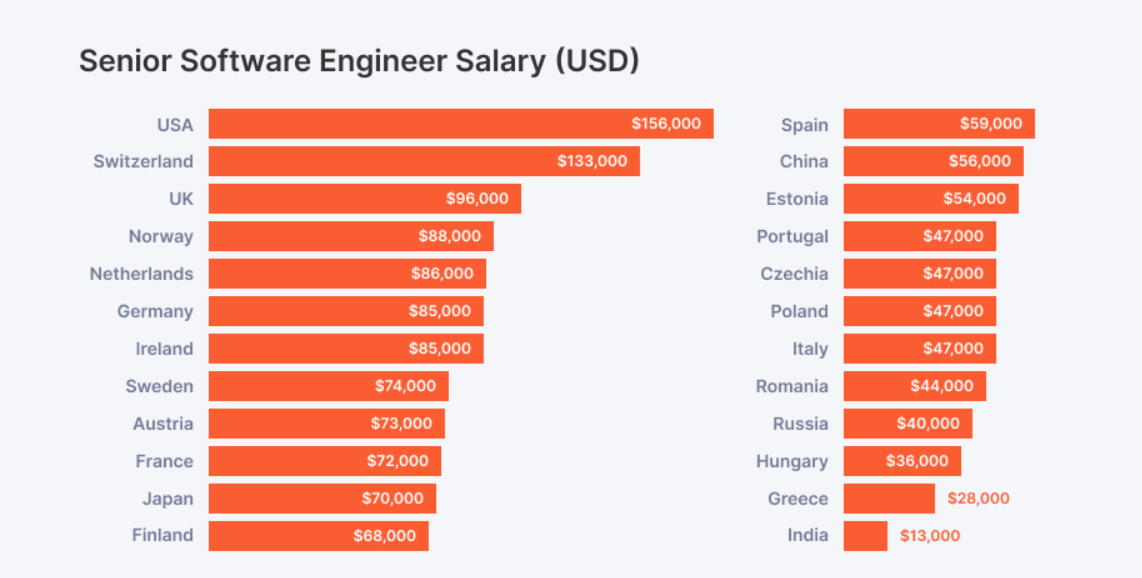
2. Software Engineer
- Median Salary (US): $130,160
- Job Outlook: 17%
- Requirements: Bachelor’s degree in computer science, IT, engineering, mathematics, or a related field; strong programming skills (e.g., Java, Python, C++).
Overview:
Software engineers design and develop programs and applications for specific functions. They may work in computer systems design, software publishing, manufacturing, or financial services.
3. Chemical Engineer
- Median Salary (US): $112,100
- Job Outlook: 10%
- Requirements: Bachelor’s degree in chemical engineering or a related field; practical experience via internships or training programs.
Overview:
Chemical engineers apply chemistry, physics, biology, and math to create products in industries like food, fuel, pharmaceuticals, petroleum, electronics, and consumer goods. Work settings often include offices or laboratories.
4. Biomedical Engineer
- Median Salary (US): $100,730
- Job Outlook: 7%
- Requirements: Bachelor’s degree in biomedical engineering, bioengineering, or a related field.
Overview:
Biomedical engineers design medical equipment, devices, and software, including prosthetic implants, artificial organs, and diagnostic machines. Common workplaces include healthcare facilities, manufacturing plants, R&D labs, and universities.
5. Petroleum Engineer
- Median Salary (US): $135,690
- Job Outlook: 2%
- Requirements: Bachelor’s degree in petroleum, mechanical, or chemical engineering.
Overview:
Petroleum engineers create methods for extracting oil and gas from underground reservoirs or offshore. They design drilling equipment and determine the most efficient extraction techniques. Work is split between office environments and drilling sites.
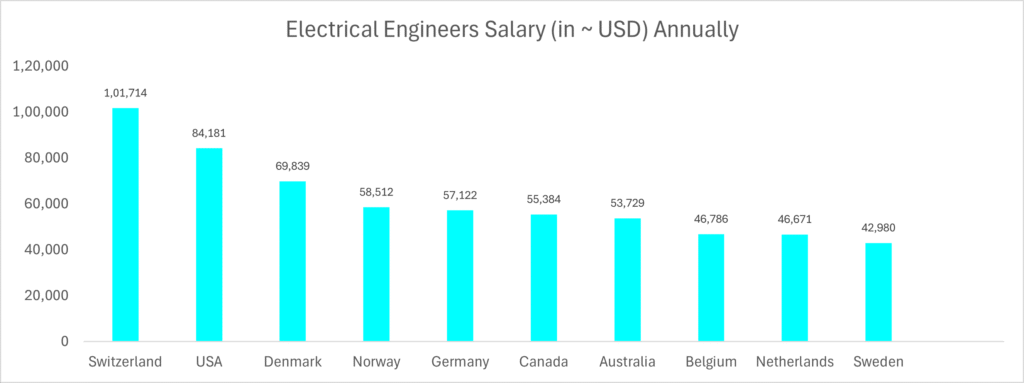
6. Electrical Engineer
- Median Salary (US): $109,010
- Job Outlook: 9%
- Requirements: Bachelor’s degree in electrical engineering or related field; practical experience from internships or co-op programs.
Overview:
Electrical engineers design, develop, and test electrical systems and equipment for industries like communications, automotive, and aerospace. Typical workplaces include manufacturing plants, R&D centers, and engineering services firms.
7. Data Engineer
- Median Salary (US): $108,020
- Job Outlook: 36%
- Requirements: Bachelor’s degree in computer science, engineering, mathematics, or statistics; strong programming and database management skills.
Overview:
Data engineers design and maintain systems for storing and processing large datasets. They work in various sectors, including finance, healthcare, e-commerce, and tech, often in office or hybrid setups.
8. Materials Engineer
- Median Salary (US): $104,100
- Job Outlook: 7%
- Requirements: Bachelor’s degree in materials science, engineering, or a related field.
Overview:
Materials engineers develop and test materials—such as metals, ceramics, and composites—for applications in manufacturing, aerospace, and consumer goods. They ensure materials meet safety, quality, and performance standards.
9. Industrial Engineer
- Median Salary (US): $99,380
- Job Outlook: 12%
- Requirements: Bachelor’s degree in industrial, mechanical, manufacturing, or systems engineering.
Overview:
Industrial engineers optimize production processes, improve efficiency, and manage resources in manufacturing and logistics environments.
10. Aerospace Engineer
- Median Salary (US): $130,720
- Job Outlook: 6%
- Requirements: Bachelor’s degree in aerospace engineering or a related field.
Overview:
Aerospace engineers design and test aircraft, spacecraft, and satellites, ensuring compliance with safety and environmental regulations. They often work for aerospace manufacturers, defense contractors, or government agencies.
What is the most in-demand engineering job?
Based on US Bureau of Labor Statistics data, software engineering is the most in-demand field. This includes AI and machine learning engineering, two areas expected to grow rapidly.
How to make the most money as an engineer
To become an engineer, you typically need a bachelor’s degree from an accredited program in your field. Many engineering students complete internships or cooperative experiences, which help them stand out in job applications. Some positions require a master’s degree or passing additional exams, such as the Fundamentals of Engineering (FE) exam.
Highest Paying Engineering Jobs in Australia in 2025
Engineering is often at the top of the list of high-paying careers in Australia. Engineers in Australia are among the best-paid professionals due to their high level of skill and expertise. This guide explores the top 10 highest-paid engineering jobs in Australia and the professionals making a significant impact in their fields. Roles include data engineering managers, petroleum engineering managers, software engineering managers, and mining engineers, each earning substantial salaries for their critical contributions.
Petroleum Engineering Career and Salary Outlook
One of the highest-paid engineering careers in Australia is petroleum engineering, which focuses on extracting oil and gas from beneath the Earth’s surface. Petroleum engineers play a crucial role in evaluating reserves, overseeing drilling operations, and optimizing resource extraction.
They collaborate with geologists, geophysicists, and other specialists to ensure safe, efficient, and environmentally responsible production.
2024 Salary Range: AUD 130,000 – AUD 250,000 annually, depending on location, expertise, experience, and industry sector.
Core Skills and Qualifications for Petroleum Engineers
- Advanced geology and geophysics knowledge
- Proficiency in reservoir simulation and petroleum geoscience tools
- Strong analytical and project management skills
- Knowledge of safety and environmental regulations
- Bachelor’s degree in petroleum, chemical, or mechanical engineering (Master’s degree preferred)
- Professional license from Engineers Australia highly valued
Software Engineering Management in the Australian Job Market
A software engineering manager leads software development teams, overseeing the design, deployment, and maintenance of software solutions that meet business and client needs. This role demands both deep technical expertise and exceptional leadership skills to drive collaboration, innovation, and continuous improvement.
2024 Salary Range: AUD 160,000 – AUD 230,000 per year, influenced by experience, company size, industry sector, and project complexity.
Mining Engineering – Skills, Salary, and Opportunities
Mining engineers are essential to the extraction and processing of minerals crucial for modern industries. They are responsible for locating and evaluating mineral deposits, designing mines, and implementing safe and sustainable mining operations.
Mining engineers work to improve mine safety, adopt innovative technologies, and enhance productivity while minimizing environmental impacts.
2025 Salary Range: AUD 110,000 – AUD 160,000 annually, varying by specialization, mine type, location, and project demands.
Mechanical engineering is closely tied to many of these fields, with professionals often transitioning into roles in petroleum, mining, aerospace, or civil engineering due to overlapping technical foundations. Understanding what a mechanical engineer does, the mechanical engineering skills needed, and mechanical engineering specializations can open doors to high-paying jobs. A strong mechanical engineering education, combined with mechanical engineering certifications, internships, and the path to becoming a licensed mechanical engineer, boosts career potential. The mechanical engineering job outlook in Australia is strong, with demand in renewable energy, robotics, manufacturing, and infrastructure projects.
Highest Paying Engineering Jobs in Canada in 2025
Overview
In Canada, some of the highest paying engineering jobs in 2025 include: Petroleum Engineer, Aerospace Engineer, and Software Engineer. Other well-compensated fields include Civil, Chemical, Nuclear, Electrical, Data, and Mechanical Engineering. Roles like AI Engineer, Robotics Engineer, and Cybersecurity Engineer are also highly sought after and offer competitive salaries.
Petroleum Engineer
These engineers are involved in extracting oil and gas, making this a high-paying field due to the demand for energy resources. Their expertise is also vital in construction projects involving energy plant development.
Aerospace Engineer
Designing and developing aircraft and spacecraft, including commercial airliners and space exploration vehicles, keeps this field in high demand. Aerospace innovation supports construction in manufacturing facilities, testing sites, and specialized infrastructure.
Software Engineer
Developing software solutions that drive business operations and improve user experiences is crucial in today’s tech-driven world. Software development is also essential in construction project management and mechanical engineering simulations.
Best Construction and Mechanical Engineering Careers in Canada – Salaries & Skills Needed
Civil Engineer
Working on infrastructure projects like roads, bridges, and water treatment plants is essential for a well-functioning society. This role directly impacts construction quality and safety.
Data Engineer
These professionals manage data architecture and ensure efficient data flow for organizations, making them valuable assets. In the construction sector, they help integrate real-time project monitoring systems and manage performance analytics.
AI Engineer
With the rapid advancements in artificial intelligence, AI engineers are in high demand across various sectors. In construction, AI assists in predictive maintenance, automated design systems, and enhancing mechanical engineering capabilities.
Robotics Engineer
The increasing automation across industries makes robotics engineering a lucrative field. In construction, robotics support high-precision builds, modular construction assembly, and advanced mechanical engineering manufacturing processes.
Cybersecurity Engineer
As technology evolves, the need for professionals who can protect systems and data becomes even more crucial. Construction companies rely on cybersecurity to protect critical design plans, structural data, and proprietary mechanical engineering innovations.
Cloud Architect
Cloud architects design and manage cloud computing infrastructure, a critical function for many businesses. In construction and mechanical engineering, cloud platforms store 3D models, project timelines, and advanced simulation data.
Highest Paying Engineering Jobs in the UK in 2025
In the UK, some of the highest paying engineering jobs in 2025 include Petroleum Engineer, Aerospace Engineer, and Software Engineer. Other well-compensated fields include Civil, Chemical, Nuclear, Electrical, Data, and Mechanical Engineering. Roles like AI Engineer, Robotics Engineer, and Cybersecurity Engineer are also highly sought after and offer competitive salaries in construction engineering, industrial design, and infrastructure development.
Petroleum Engineer Career Overview
Petroleum engineers are involved in extracting oil and gas, making this a high-paying field due to the demand for energy resources and the construction of extraction facilities. This role also relates to mechanical engineering skills needed for designing and maintaining drilling equipment, and it often leads to specialization in mechanical engineering fields.
Aerospace Engineering and Construction Applications
Designing and developing aircraft and spacecraft, including commercial airliners and space exploration vehicles, keeps this field in high demand. Aerospace engineering overlaps with mechanical engineering education requirements, especially in areas involving structural design, material testing, and aerospace construction projects.
Software Engineer
Developing software solutions that drive business operations and improve user experiences is crucial in today’s tech-driven world. In construction engineering management, software engineers contribute to project planning tools, simulations, and automated design platforms, all of which can be linked to mechanical engineering job outlook in technology-driven infrastructure development.
Civil Engineer
Working on infrastructure projects like roads, bridges, and water treatment plants is essential for a well-functioning society. Civil engineering integrates with construction site planning and often requires mechanical engineering certifications for specialized machinery operations, reflecting a strong connection to becoming a licensed mechanical engineer.
Data Engineer
These professionals manage data architecture and ensure efficient data flow for organizations, making them valuable assets in construction project management systems and smart city infrastructure. This demand ties into mechanical engineering internships for students learning how to work with large-scale engineering data.
AI Engineer
With the rapid advancements in artificial intelligence, AI engineers are in high demand across various sectors, including construction automation, predictive maintenance, and mechanical system optimization.
Robotics Engineer
The increasing automation across industries makes robotics engineering a lucrative field. Robotics is central to automated construction machinery, prefabrication processes, and advanced manufacturing, making it essential in mechanical engineering specializations.
Cybersecurity Engineer
As technology evolves, the need for professionals who can protect systems and data becomes even more crucial. In construction and industrial projects, cybersecurity engineers safeguard automated systems, project data, and connected machinery.
Cloud Architect
Cloud architects design and manage cloud computing infrastructure, a critical function for many businesses, including those in engineering construction management where project data, mechanical design files, and construction scheduling tools are stored and accessed securely.
Salary Range for Civil Engineers
Civil Engineer Salary Overview in the USA
The salary range for civil engineers in the USA varies significantly based on experience, location, and employer. Entry-level positions typically offer $1,800–$8,400 per month, while experienced engineers can earn $2,100–$10,700 per month.
According to Payscale, the average annual salary for civil engineers in the USA is around $80,000. In top-tier construction and infrastructure firms, such as Bechtel Corporation, graduate engineers can start at $6,500–$11,500 per month, according to Glassdoor.
Entry-Level to Experienced Civil Engineering Salaries
- Entry-Level (0–2 years): $1,800–$8,400 per month
- Mid-Level (3–7 years): $2,100–$10,700 per month
- Graduate Engineers at Major Firms: $6,500–$11,500 per month
Professionals with advanced construction engineering skills, mechanical engineering certifications, and expertise in structural design or project management tend to earn higher salaries.
Average Salary in the US Construction Industry
The average annual salary for civil engineers in the construction sector is approximately $80,000.
Graduates entering the workforce through established firms such as Bechtel can expect competitive pay, especially if they hold mechanical engineering specializations in structural systems, have completed mechanical engineering internships, or possess expertise in large-scale construction machinery operation.
Expanding Career Potential with Mechanical Engineering Skills
Civil engineering remains a financially rewarding field in the USA’s expanding construction industry. Professionals who combine civil engineering knowledge with mechanical engineering expertise can transition into hybrid roles, increasing their value in the job market.
Understanding mechanical engineering education requirements, salary expectations, and the job outlook helps civil engineers plan strategic career moves. Obtaining a licensed mechanical engineer credential can further open doors to leadership positions in construction design, infrastructure planning, and project execution.
Salary Range for Mechanical Engineers
The salary range for mechanical engineers varies depending on experience, location, industry, and skill set. In the USA, monthly gross pay typically falls between $10,300 and $29,600, according to Paylab.com. Entry-level positions may start around $88,000 annually, while experienced engineers can earn significantly more, with some senior roles exceeding $260,000 per year.
Key Factors Influencing Mechanical Engineer Salaries in the Construction Industry
Experience: Entry-level engineers will earn less than those with several years of professional experience.
Location: Salaries can differ based on the city and the specific company’s operational scale.
Industry: Certain industries, such as oil and gas, construction, and aerospace, often offer higher salaries than others.
Company: Larger, well-established engineering and construction firms generally provide more competitive pay compared to smaller businesses.
Skills: Specialized mechanical engineering skills needed and mechanical engineering certifications can significantly boost earnings.
Examples of Mechanical Engineer Salaries by Location and Specialization in Construction Projects
Mechanical Engineer Salaries in Major US Cities (2025)
In Washington, D.C., a mechanical engineer’s total monthly pay can range from $6,600 to $20,700, with a median of $10,100.
A mechanical design engineer in Houston might earn between $9,800 and $22,900 per month, according to Glassdoor.
In New York City, a mechanical engineer’s total monthly pay is estimated at $11,500, according to Glassdoor.
Senior Mechanical Engineer Salary Potential
Senior mechanical engineers can earn upwards of $169,000 annually, with some salaries exceeding $397,000, especially in sectors requiring advanced mechanical engineering specializations such as robotics, HVAC systems design, or aerospace component manufacturing.
The Role of Mechanical Engineers in Construction and Industry
Mechanical engineers play a vital role in large-scale construction projects, manufacturing plants, infrastructure development, and energy systems. Understanding what a mechanical engineer does is essential for those looking to enter or advance in the field. This includes mastering core mechanical engineering skills needed for designing, analyzing, and maintaining complex systems.
Mechanical Engineering Education and Career Pathways
Mechanical engineering education pathways, from bachelor’s degrees to specialized certifications, provide the technical foundation for high-demand roles. Pursuing mechanical engineering certifications and becoming a licensed mechanical engineer can significantly enhance credibility and earning potential.
Top Mechanical Engineering Specializations for High Pay
Specializations such as HVAC design, construction equipment manufacturing, renewable energy systems, and advanced automation are highly valued in the construction industry. Internships and practical training opportunities, including mechanical engineering internships, prepare professionals for the demands of real-world projects.
Job Outlook for Mechanical Engineers in the Construction Industry
The mechanical engineering job outlook remains strong due to ongoing infrastructure development, sustainability initiatives, and technological advancements in construction engineering. Salaries continue to reflect the high demand for skilled professionals, with mechanical engineer salary trends showing steady growth for both entry-level and senior positions across the sector.
Electrical Engineer Salary Range in the USA Construction Sector
The salary range for electrical engineers in the USA construction sector varies, with an average salary around $82,500 per year. However, salaries can range from $9,200 to $31,800 monthly, depending on experience, location, and specific job roles, according to Paylab.com. Some sources indicate a wider range from $8,000 to $420,000 annually.
Electrical Engineer Pay by Career Stage and Construction Role
At entry-level, electrical engineers can expect to earn around $9,500 to $20,400 monthly as a base salary. Mid-level professionals see salaries increase to $13,000 to $27,200 monthly as experience grows. Senior electrical engineers and those in specialized mechanical engineering specializations for construction, such as power systems design or renewable energy integration, can earn significantly more, potentially reaching $32,000 or more per month, and even higher with bonuses.
Factors That Influence Engineer Salaries in Construction Projects
Location
Salaries can vary based on the city and the specific company’s operational scale, with major hubs like New York, Houston, and Los Angeles potentially offering higher average salaries due to industry concentration.
Experience Level
Higher experience levels translate to higher pay, especially for engineers with advanced mechanical engineering skills needed in construction projects.
Specific Company and Industry
Large multinational companies or those in high-demand construction and infrastructure sectors—such as oil and gas, renewable energy, or large-scale electrical systems—may offer higher compensation packages, according to Glassdoor.
Bonuses and Additional Pay
Profit sharing, performance bonuses, and other forms of additional pay can significantly increase total compensation.
The Role of Electrical and Mechanical Engineers in Construction
Electrical and mechanical engineers are critical to the success of modern construction projects, from designing electrical grids and power distribution systems to integrating HVAC, automation, and safety systems. Understanding what a mechanical engineer does and the responsibilities of an electrical engineer helps professionals plan their career paths effectively.
Education and Certifications for Engineering Careers
Mechanical engineering education and electrical engineering training programs provide the foundational skills for designing, building, and maintaining advanced systems in high-demand construction environments. Engineers with mechanical engineering certifications, electrical licensing, and specialized training in automation or sustainable design stand out in the job market. Becoming a licensed mechanical engineer or certified electrical engineer opens doors to leadership positions and higher pay grades.
Job Outlook for Mechanical and Electrical Engineers
The mechanical engineering job outlook and electrical engineering job growth remain strong due to the global demand for infrastructure development, renewable energy projects, and advanced construction technology. Salaries continue to increase for professionals with mechanical engineering internships, construction project experience, and specialized technical skills.
Salary Range for Biomedical Engineers
The salary range for biomedical engineers in the USA varies, with an average salary around $12,800 per month. However, experienced individuals or those in specific roles can earn significantly more. The specific salary also depends on the company, location, and level of experience, especially when these roles intersect with construction-related projects involving healthcare facilities and infrastructure.
Detailed Salary Ranges for Biomedical Engineers in Construction Projects
Average: Payscale reports the average salary for a biomedical engineer in the USA to be $12,800 per month.
Low End: Glassdoor indicates some entry-level or less experienced positions may start around $10,200 per year.
High End: Glassdoor shows the highest salaries can reach $22,100 per year or more.
Additional Factors: Salaries can increase with experience, advanced degrees, or specialized expertise in construction-integrated biomedical engineering projects such as medical equipment installation in hospitals. Some companies may also offer benefits, field allowances, or other incentives.
Examples of Companies and Salaries for Biomedical Engineers in Construction-Related Roles
Glassdoor data indicates St. Nicholas Hospital pays biomedical engineers between $21,800 and $23,500 annually.
Limi Hospital biomedical engineer positions range from $17,800 to $19,300 per month according to Glassdoor. Sigma Consulting Group reports that some positions in cities such as New York, Houston, Chicago, and Los Angeles range from $12,800 to $25,600 monthly with benefits.
Factors affecting salary: Experience, entry-level positions generally have lower salaries than those with more experience. Education, advanced degrees and certifications can lead to higher salaries, particularly when combined with mechanical engineering education. Location salaries may vary based on the specific location within the USA and the scale of construction or healthcare projects. Industry and company, different companies and industries such as medical device manufacturing, construction engineering firms, research, and healthcare may have varying salary scales. Specialization, biomedical engineers with expertise in areas such as medical imaging, biomaterials, or hospital construction technology may earn more.
Understanding what a mechanical engineer does and the connection between biomedical and mechanical engineering skills needed in modern construction projects helps professionals position themselves for high-value opportunities. Engineers with mechanical engineering specializations, construction-focused biomedical experience, mechanical engineering certifications, and those becoming a licensed mechanical engineer often find better pay and advancement potential.
The mechanical engineering job outlook and biomedical engineering demand are both growing in the USA due to the expansion of healthcare construction, research labs, and advanced manufacturing facilities. Internships, including mechanical engineering internships in construction-related fields, serve as a strong entry point for building technical expertise and boosting earning potential.
Salary Range for Chemical Engineers
The salary range for Chemical Engineers typically falls between $425 and $1,030 per month, according to Glassdoor. The median total pay is around $567 per month, according to Glassdoor. Factors like experience, location, and company can influence the actual salary, according to Glassdoor.
Salary Breakdown for Entry-Level and Experienced Engineers
Entry-Level: A Chemical Engineer’s salary can start as low as $425 per month. Experienced: With experience, salaries can increase significantly, potentially reaching $1,030 or more per month. Median: The median monthly pay is around $567. Additional Pay: Besides the base salary, Chemical Engineers may receive additional compensation like bonuses or profit sharing, according to Glassdoor.
Factors Affecting Salary in the Engineering and Construction Industry
Experience: More experienced engineers generally earn higher salaries. Location: Salaries can vary based on the specific city or region. Company: Large multinational companies may offer higher salaries compared to smaller local companies. Industry: The industry in which the engineer works can also impact their salary, according to Payscale. Education: Advanced degrees (Master’s or PhD) may lead to higher salaries compared to a Bachelor’s degree.
Other Salary Resources: Payscale.com: Provides salary data for various locations and job titles. Mywage.ng: Offers salary ranges for Chemical Engineers, including information on starting salaries and salary progression over time. Glassdoor.com: Provides salary information based on user-submitted data, including breakdowns by experience, location, and company.
Best Construction and Engineering Career Path With Salary Insights for 2025
In the broader construction and engineering sector, careers such as chemical engineering, mechanical engineering, and civil engineering continue to offer competitive earning potential. Professionals often seek answers to what does a mechanical engineer does, mechanical engineering skills needed, and the scope of mechanical engineering specializations when planning career growth. In industries like oil and gas, large-scale infrastructure, and manufacturing, a mechanical engineer salary can be significantly higher, especially with advanced mechanical engineering education or mechanical engineering certifications.
Graduates pursuing mechanical engineering internships gain hands-on experience that accelerates career advancement. For those focused on becoming a licensed mechanical engineer, construction-driven projects in transportation, renewable energy, and smart infrastructure create strong job demand. The mechanical engineering job outlook remains positive, with a steady need for engineers who can manage both technical execution and construction project management responsibilities.
By combining technical expertise with sector-specific skills, engineers in construction-heavy industries can position themselves for higher pay, leadership roles, and long-term stability. Whether in mechanical, civil, or chemical engineering, aligning career development with construction industry demands ensures stronger job security and higher earning potential.
Salary Range for Aerospace Engineers
The salary range for aerospace engineers in the USA varies, with an average salary of $870,000 per year. However, the range can extend from $27,000 to $14.2 million annually, with variations depending on experience, specific role, and employer.
Detailed Salary Breakdown for Entry-Level and Experienced Roles
Entry-level positions: Starting salaries can be around $27,000, according to Payscale. Experienced engineers: Salaries can increase significantly with experience, potentially reaching the higher end of the $14.2 million range according to Glassdoor. Specialized roles: Engineers in niche areas like satellite systems, propulsion design, or mission operations can command higher salaries according to IIAEIT.
Factors Influencing Aerospace Engineer Salaries in Construction-Linked Projects
Industry and employer: Salaries can also differ based on whether the employer is in the public or private sector and the specific company according to Glassdoor. Additional pay: Some employers offer additional compensation like bonuses, profit sharing, or stock options, which can further increase total pay.
For example, Aerocontractors payscale for Licensed Aircraft Engineer II was estimated to be between $13.5M and $14.7M per year, according to Glassdoor. This includes base salary and additional pay, which averaged $14.2M per year.
In the construction and aerospace engineering industries, professionals often seek guidance on what a mechanical engineer does, the mechanical engineering skills needed, and available mechanical engineering specializations that can boost career success. Aerospace engineers involved in construction-linked infrastructure projects, airport expansion, and defense manufacturing often work alongside mechanical engineers with advanced mechanical engineering education and in-demand mechanical engineering certifications.
The mechanical engineering job outlook remains strong in sectors tied to aerospace and heavy construction projects. Gaining experience through mechanical engineering internships prepares graduates for high-paying roles, while becoming a licensed mechanical engineer opens opportunities in aerospace propulsion, construction project design, and large-scale facility development.
By aligning technical skills with construction industry requirements, engineers in aerospace and mechanical fields can secure competitive salaries, long-term stability, and leadership positions in complex, high-budget projects.
Engineering Salaries by Experience Level
Engineering salaries generally increase with experience. Entry-level engineers earn less than those with several years of experience or those in senior or managerial roles. Specific salaries vary based on the engineering field, company, location, and individual skills and qualifications.
General Salary Trends by Experience Level
Entry-level engineers, with less than a year of experience, can expect to earn a lower salary compared to more experienced professionals. For example, a new Civil Engineer might earn between $125 and $250 monthly (approximately $1,500 to $3,000 annually), according to CVMade. Salaries generally increase as engineers gain experience. An early career Civil Engineer with 1-4 years of experience earns an average total compensation of about $1,050 monthly ($12,600 annually), according to Payscale. Mid-career engineers (typically with 5-10 years of experience) will see further increases in their compensation packages, potentially including bonuses and other benefits. Senior engineers and those in management or leadership roles, such as Engineering Managers, will typically earn the highest salaries within the engineering field, says www.iu.org. For example, an Electrical Engineering Manager in India might earn around $20,400 per year, according to Payscale.
Factors Influencing Engineering Salary Growth
Some engineering fields are more lucrative than others. For example, Petroleum Engineering is one of the highest-paying fields, notes fly.homes. Salaries can vary based on location, with some cities or regions offering higher pay than others. Larger companies or those in specific industries may offer more competitive salaries. Highly skilled engineers with specialized knowledge or advanced degrees may command higher salaries.
Mechanical Engineer Salary and Career Growth in the Construction Industry
New petroleum engineers with less than a year of experience earn around $96,374 annually, according to CDR Elite Writers. An entry-level Civil Engineer might earn between $125 and $250 monthly, says CVMade. The gross salary range for Mechanical Engineers is typically between $200 and $575 monthly (approximately $2,400 to $6,900 annually), according to Paylab.com. In the construction sector, what does a mechanical engineer do is a critical question for those planning their career path. Understanding mechanical engineering skills needed, mechanical engineering specializations, and mechanical engineering education can improve your chances of securing high-paying roles in building design, HVAC systems, and large-scale infrastructure projects.
To get the most accurate salary information for a specific engineering role and experience level, it is best to consult salary websites like Glassdoor, Payscale, and Paylab. You can also look at job postings on these sites or on company websites to see salary ranges for specific roles. A strong portfolio, mechanical engineering certifications, relevant mechanical engineering internships, and becoming a licensed mechanical engineer are essential steps for long-term career success and improving mechanical engineering job outlook in the construction industry.
Factors Influencing Engineering Salaries
Engineering salaries are influenced by a multitude of factors including field of specialization, experience level, education, location, and market demand. Negotiation skills and company size also play a significant role in determining compensation.
Field of Engineering and Industry Demand
Specific engineering disciplines such as petroleum engineering, software engineering, and certain specialized areas may offer higher earning potential due to high demand or specialized skill requirements. Industries like oil and gas, technology, and aerospace tend to offer more lucrative opportunities for engineers. For example, petroleum engineers in the oil and gas industry can command high salaries due to the specialized nature of their work and the high-stakes environment. Similarly, software engineers are in high demand across various industries due to the increasing reliance on technology.
Experience and Career Progression
Salaries generally increase with experience, with senior engineers or those with specialized expertise earning more than their less experienced counterparts. However, the rate of salary increase may plateau after a few years in the field, with other factors like specialization and leadership skills becoming more influential.
Education and Certifications
Advanced degrees and relevant certifications can significantly impact salary potential, with engineers holding multiple degrees and certifications often earning more. A Professional Engineer (PE) license is often a requirement for certain roles and can also increase earning potential. Continuing education and professional development are also important for career advancement and salary increases.
Location
Salaries can vary significantly based on geographic location, with major urban centers and regions with a high cost of living often offering higher salaries to compensate for the increased expenses. For example, engineers working in metropolitan areas or regions with a strong engineering presence may earn more than those in rural or less developed areas, according to SunLive.
Market Conditions and Company Size
High-demand engineering roles and companies in strong markets tend to offer more competitive compensation packages. Larger companies, especially those with established reputations, may offer higher salaries and better benefits.
Negotiation Skills
Effective negotiation skills can significantly impact starting salaries and future salary increases, particularly for entry-level engineers. Being able to articulate your value, skills, and experience is crucial during salary negotiations.
Mechanical Engineer Salary and Career Growth in the Construction Industry
In the construction industry, understanding what a mechanical engineer does, mechanical engineering skills needed, and mechanical engineering specializations is essential for career success. Professionals with strong mechanical engineering education, mechanical engineering certifications, and relevant mechanical engineering internships are more competitive in the job market. Becoming a licensed mechanical engineer can open higher-paying opportunities and improve mechanical engineering job outlook. Salaries in mechanical engineering within construction vary depending on experience, location, and project size, with high-demand skills in HVAC systems, building design, and infrastructure projects commanding premium pay.
Countries with Rising Engineering Demand
Several countries are experiencing a surge in demand for engineers across various sectors. Key nations include Germany, Canada, the USA, Australia, the UK, Switzerland, Singapore, Japan, China, and India. These countries offer diverse opportunities, from established industries to emerging technologies, and attractive working conditions.
Countries with High Engineering Demand and Growth:
Top Countries with High Demand for Engineers
Germany
Renowned for its strong manufacturing and automotive industries, Germany offers a robust job market for engineers, especially in mechanical engineering, industrial engineering, and advanced manufacturing.
Canada
With a booming tech sector and a strong focus on innovation, Canada has high demand for software engineers, construction engineers, and other tech-related roles.
Australia
Australia’s thriving mining industry and focus on infrastructure development create opportunities for civil, mechanical, and geotechnical engineers.
United Kingdom (UK)
The UK’s diverse engineering landscape includes aerospace, automotive, construction, and technology sectors, offering opportunities for engineers with mechanical engineering specializations.
Singapore
As a global financial and technology hub, Singapore has strong demand for engineers in infrastructure development, technology, and smart city projects.
Japan
A leader in advanced manufacturing and robotics, Japan offers numerous opportunities for mechanical engineers with expertise in automation and robotics.
China
With rapid industrialization and urbanization, China’s engineering job market spans civil, electrical, and mechanical engineering roles.
India
In the midst of rapid modernization, India offers high demand for engineers in infrastructure, manufacturing, and pharmaceutical sectors.
Emerging Trends and Growing Engineering Sectors
Renewable Energy
Countries like Denmark are seeing a surge in demand for engineers in renewable energy, sustainable construction, and green technologies.
Smart Manufacturing (Industry 4.0)
Automation, data analytics, and supply chain optimization are creating opportunities for industrial engineers and mechanical engineers with relevant certifications and internship experience.
Civil Engineering for Sustainable Development
Urbanization is fueling demand for civil engineers, particularly in eco-friendly infrastructure projects.
Software Engineering
Globally, software engineers remain in high demand across startups, tech giants, and cross-industry applications.
Key Factors to Consider Before Choosing a Country
- Salary Potential – Compare mechanical engineer salary data with global benchmarks, but also factor in cost of living and career progression.
- Industry Strengths – Focus on countries where your engineering specialization (e.g., construction engineering, renewable energy) is thriving.
- Immigration Policies – Understand visa and work permit requirements for engineers before making a move.
Global Outlook for Engineers
The global demand for skilled engineers remains strong, particularly for those with mechanical engineering education, construction expertise, and specialized certifications.
Whether you’re aiming to become a licensed mechanical engineer or exploring opportunities in renewable energy and sustainable infrastructure, aligning your skills with high-demand markets will maximize both salary potential and career growth.
Matching Career Choice with Salary Potential
Choosing the right engineering career is about more than just passion, it’s about aligning your skills with market demand and salary growth potential. By researching industry trends, in-demand specializations, and salary benchmarks, you can make informed decisions that lead to both professional fulfillment and financial security. Countries and sectors with higher demand often offer competitive pay and faster career progression, while emerging fields present unique opportunities for innovation. Whether you prioritize stability, innovation, or global mobility, matching your career path with salary data ensures you’re building a future that is both rewarding and sustainable.